
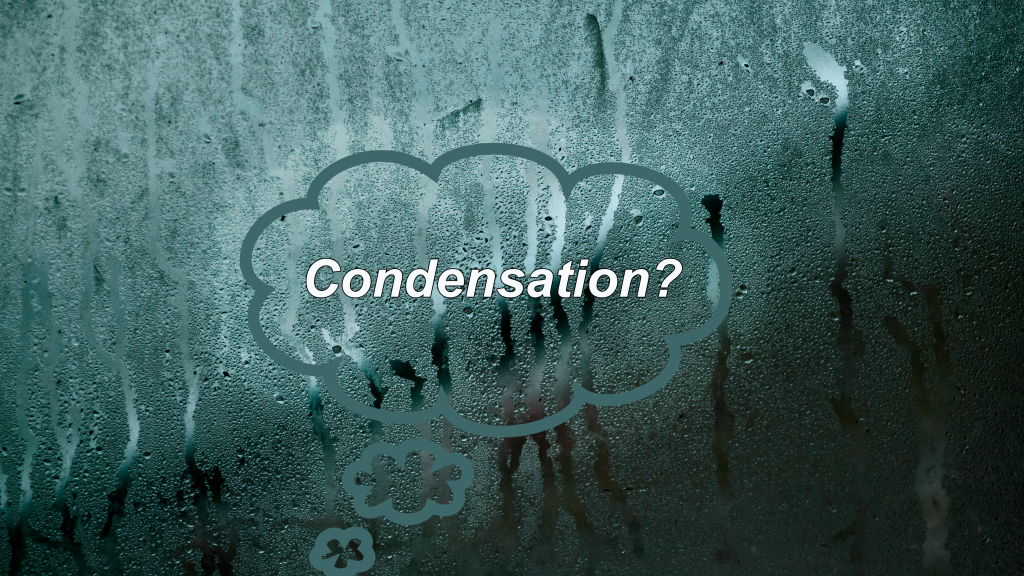
Why Do I Get Condensation on the Outside of My Double Glazed Windows?
Have you woken up on a cool morning to find condensation covering the outside of your new double glazed windows?
It can look alarming, particularly if you’ve recently invested in new windows and expected them to stay completely clear.
The good news is that condensation on the outside of double glazing is usually nothing to worry about.
In fact, it can actually be a sign that your windows are working efficiently and keeping more heat inside your home.
At Aluminium Projects, we often speak to homeowners in Derbyshire, Dronfield, Chesterfield, Sheffield and South Yorkshire who are surprised to see condensation on the outside of their new glazing as the weather gets cooler.
So, why does it happen – and does it mean there’s something wrong with your windows?
What causes condensation on the outside of double glazing?
Condensation occurs when moisture in the air comes into contact with a surface that is cold enough for that moisture to turn into water.
This is linked to something called the dew point.
Air contains water vapour. The amount of moisture it can hold depends on its temperature. When air cools sufficiently, it reaches its dew point and can no longer hold all of that moisture.
The excess moisture then condenses onto a cold surface.
You see the same thing when dew forms on grass, condensation appears on a cold car or moisture forms on the outside of a cold drink.
The same principle applies to your windows.
During a cool, clear night, the outside pane of your double glazed unit can become cold enough to fall below the dew point. When that happens, moisture from the outside air forms tiny droplets across the glass.
This is particularly common during autumn and spring, although it can happen whenever the right combination of temperature, humidity and weather conditions occurs.
Why is external condensation more common with modern double glazing?
This is the part that surprises many homeowners.
You might assume that better double glazing should mean less condensation everywhere.
But modern, highly energy-efficient glazing can actually make external condensation more likely.
Why?
Because modern double glazing is designed to prevent heat from your home escaping through the glass.
Older single glazing and older forms of double glazing allowed considerably more heat to pass through the glass. Some of that heat would warm the outer pane.
Modern low-emissivity, or low-E, glass works much harder to retain heat inside the property.
The inner pane stays warmer, while the outer pane receives less heat from inside the house.
That means the outer pane can become colder.
If the outside glass becomes colder than the dew point, condensation forms.
So, in simple terms:
Better insulation → less heat escaping → colder outer pane → greater chance of external condensation.
This is a natural consequence of modern, thermally efficient glazing rather than a sign that the window is faulty.
Is condensation outside double glazing a good thing?
In many cases, yes.
Although nobody particularly wants to look through a misty window first thing in the morning, external condensation can demonstrate that your glazing is doing its job.
The purpose of modern double glazing is to keep heat inside your home.
If less heat is escaping through the glass, the external pane isn’t being warmed as much by your heating.
Consequently, it can remain colder.
This means that seeing some condensation on the outside of your windows can actually be an indication of the thermal performance of the glazing.
It is one of those slightly counter-intuitive things about modern energy-efficient homes: something that looks like a problem can actually be evidence that your windows are performing as intended.
Why does it happen more when the weather gets cooler?
External condensation is strongly influenced by weather conditions.
As summer comes to an end and temperatures start dropping, you can experience a combination of:
- Cooler overnight temperatures
- Higher relative humidity
- Clear skies
- Still air
- Cold external glass
- Warmer temperatures during the day
These conditions can make condensation particularly noticeable in the early morning.
The glass can lose heat overnight and become colder than the surrounding air. If its temperature drops below the dew point, moisture starts to form on the outside.
This is why you may suddenly notice condensation on your windows after a change in weather.
It doesn’t necessarily mean anything has changed with the window itself.
The environmental conditions have changed.
Why does condensation disappear later in the morning?
You may notice that your windows look completely clear a few hours later.
That’s normal.
As the morning progresses, sunlight can warm the external glass and cause the water droplets to evaporate.
Wind and air movement can also help clear condensation.
So you might see condensation at 7am that has completely disappeared by 9am.
Pilkington notes that external condensation often doesn’t last long because sunlight and gentle air movement can warm or dry the outer glass.
Why do some windows have condensation while others don’t?
Another common question is:
“Why is condensation only appearing on some of my windows?”
Even windows next to each other can behave differently.
The orientation of your property can make a difference, as can surrounding buildings, trees, walls, balconies, canopies and other objects.
A window with a clear view of the night sky can lose heat differently from one that’s partially sheltered.
Even small differences in the temperature of the glass can determine whether it falls below the dew point.
This is why you might find condensation on one side of your home but not the other – or even on one pane of a large window but not another.
Does external condensation mean my new windows are faulty?
No – not normally.
Condensation on the outside surface of modern double glazing is not generally considered a fault.
However, it is important to distinguish between the different types of window condensation.
Condensation on the outside
Usually normal.
This is caused by the external glass becoming cold enough for moisture in the outside air to condense.
Condensation on the inside
This is a different issue.
Internal condensation can occur when warm, moisture-filled air inside your home comes into contact with a cold surface.
Bathrooms, kitchens, drying laundry and poor ventilation can all contribute to higher indoor humidity.
Improving ventilation and reducing excess moisture can help.
Condensation between the panes
This is the one that should be investigated.
If you can see mist, fogging or moisture trapped between the two panes of your sealed double glazed unit, rather than on the outside surface, it may indicate that the sealed unit has failed.
A sealed insulating glass unit should keep the space between the panes sealed. If that seal fails, moisture can enter the cavity.
In this situation, the glass unit may need to be replaced.
If you’re unsure where the condensation is occurring, a professional window company can help identify the cause.
Can external condensation be prevented?
For most homeowners, there isn’t a simple way to completely prevent external condensation.
That’s because it is primarily caused by the interaction between the glazing and the weather conditions.
You can sometimes reduce how noticeable it is by choosing specialist anti-condensation glass. There are glazing products specifically designed to delay the onset of external condensation.
However, for standard high-performance double glazing, occasional external condensation is a natural phenomenon.
It isn’t something that should automatically be viewed as a defect or poor installation.
Does aluminium glazing make condensation worse?
Not necessarily.
The type and specification of the glass and sealed unit are important factors when it comes to external condensation.
Modern aluminium windows and doors can be manufactured with highly thermally efficient frames and energy-efficient glazing.
When the glazing has a low U-value and is designed to retain heat effectively, the outer pane can remain colder – increasing the possibility of external condensation under the right weather conditions.
This isn’t necessarily a disadvantage.
For homeowners looking for aluminium windows in Derbyshire, the important thing is to consider the overall specification of the window, including the frame, glass, seals and installation.
At Aluminium Projects, we can help you understand the options available when you’re replacing your existing windows or planning a new glazing project.
What does this mean for homeowners in Derbyshire?
Here in Derbyshire and South Yorkshire, we experience plenty of the weather conditions that can produce external condensation.
Cool mornings, damp air and changing temperatures can all contribute.
It’s particularly common during the transitional seasons when daytime temperatures can still feel relatively mild but overnight temperatures drop significantly.
So if you’ve recently had new windows installed in Dronfield, Chesterfield, Sheffield or elsewhere across Derbyshire, don’t be surprised if you notice condensation on the outside of the glass on certain mornings.
It doesn’t automatically mean there’s a problem.
In fact, it may simply mean that your new glazing is doing a much better job of keeping the warmth inside your home.
New aluminium windows and doors in Derbyshire
If you’re considering replacing your windows or doors, choosing the right glazing specification is just as important as choosing the style.
At Aluminium Projects, we supply and install aluminium windows, doors, bifold doors, sliding doors and other aluminium glazing solutions for homeowners across Derbyshire and South Yorkshire.
Whether you’re looking for:
- Aluminium windows in Derbyshire
- Aluminium windows in Dronfield
- Aluminium windows in Chesterfield
- Aluminium doors in Sheffield
- Bifold doors in South Yorkshire
- Replacement windows for your home
- Large glazed openings for an extension
- Modern aluminium doors for a renovation
we can discuss the options available for your property and help you find a solution that combines style, performance and practicality.
Thinking about replacing your windows?
If your existing windows are becoming tired, draughty or inefficient, or you’re planning an extension or renovation, now could be the right time to explore modern aluminium glazing.
Contact Aluminium Projects to discuss your project and find out more about the aluminium windows and doors we supply and install across Derbyshire and South Yorkshire.
Frequently Asked Questions
Is condensation on the outside of double glazing normal?
Yes. External condensation is a natural phenomenon and is particularly common with modern, highly insulating low-E glazing. It can occur when the outer pane becomes colder than the dew point of the surrounding air.
Why do my new windows have condensation on the outside?
Modern double glazing keeps more heat inside your home. This means less heat reaches the outer pane of glass, allowing it to become colder. Under the right weather conditions, moisture from the outside air can then condense on the glass.
Should I be worried about condensation on the outside of my windows?
Usually not. If the condensation is on the outside surface, it is generally a normal consequence of thermally efficient glazing.
If condensation is between the panes, however, this can indicate a failed sealed unit and should be investigated.
Why do my windows steam up outside in the morning?
Cool overnight temperatures can cause the external pane of glass to fall below the dew point. Moisture in the outside air then condenses onto the glass. Sunlight and wind will often clear it as the morning progresses.
Why didn’t my old windows get condensation outside?
Older windows generally allowed more heat to escape through the glass, which could warm the outside pane. Modern energy-efficient glazing retains more heat inside, so the outer pane can be colder and more susceptible to external condensation.
Does external condensation mean my double glazing is working?
It can be an indication that your glazing is retaining heat effectively. External condensation is particularly associated with high-performance low-E glazing because the outer pane receives less heat from inside the property.
Why is there condensation between my double glazed panes?
Condensation trapped between the panes can indicate that the sealed insulating glass unit has lost its seal. Unlike condensation on the outside, this isn’t simply caused by normal overnight weather conditions and may require the sealed unit to be replaced.
Can external condensation damage my windows?
Normal external condensation itself should not damage your windows. It is a natural result of moisture in the air meeting a cold external glass surface.
Do aluminium windows get condensation?
Aluminium windows can experience condensation just like other types of glazing. The likelihood of external condensation depends heavily on the thermal performance and specification of the glazing, as well as the weather conditions.
Looking for Aluminium Windows in Derbyshire?
External condensation can look strange when you first notice it, especially if you’ve recently invested in new glazing.
But in many cases, there’s a simple explanation:
Your windows are keeping the heat inside.
As the weather gets colder, the outside pane can become cold enough for moisture in the air to condense on its surface. Once the sun comes out or the temperature rises, the condensation will usually disappear.
So next time you wake up to condensation on the outside of your new double glazing, don’t panic.
It could actually be a sign that your new windows are doing exactly what they’re supposed to do.
If you’re considering new aluminium windows or doors in Derbyshire, Dronfield, Chesterfield, Sheffield or South Yorkshire, contact Aluminium Projects to discuss your requirements.